
 EN
EN
 AR
AR
 NL
NL
 FR
FR
 DE
DE
 IT
IT
 JA
JA
 KO
KO
 PT
PT
 RU
RU
 ES
ES
 TL
TL
 ID
ID
 VI
VI
 TR
TR
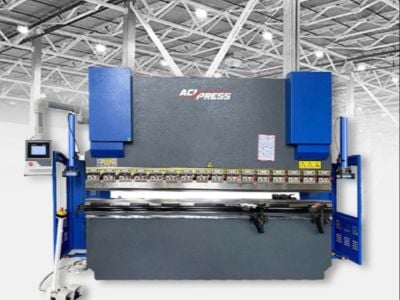
When it comes to bending metal, the tool you use is super important. A bending die shapes the metal into the right form, making it crucial for many projects. But how do you know if a bending die is the best choice? One key thing to think about is hardness. Hardness is how tough the material is. A bending die needs to be hard enough to withstand pressure without breaking or deforming. If it isn’t hard enough, it can wear down quickly, which means you’ll have to replace it often. This not only costs money but can also slow down your work. At ACL, we understand how important it is for our customers to have reliable tools that get the job done right. That’s why we focus on creating sheet metal bending dies with the right hardness to meet your needs.
How to Choose the Right Hardness for Your Bending Die to Ensure Quality?
Choosing the right hardness for your bending die is a big deal. If it’s too soft, it can get damaged easily. If it’s too hard, it might crack. You want something in the middle. One way to find out the hardness you need is by looking at the type of metal you will be bending. For example, if you are bending aluminum, you may not need as hard of a die as you would for stainless steel. This is because stainless steel is tougher and needs a sturdier die to shape it without breaking. You can use something called the Rockwell hardness test to measure the hardness of the die. It gives you a number that tells you how hard the material is. This information helps you know if it’s the right fit for your project.
Another thing to think about is how often you will use the die. If you’re using it every day, you might want a die with higher hardness. This can help it last longer and save you money in the long run because you won’t need to buy replacements as often. Also, consider the thickness of the metal you are bending. Thicker metals require a stronger die. At ACL, we make sure our bending dies for hydraulic press are made with the right hardness for different types of metals and thicknesses. We’ve seen how the right choice can make a difference in a project’s success. So, always think about what you will be bending before picking your die.
What to Look for in a Wholesale Bending Die Supplier?
Finding the right supplier for your bending dies is just as important as choosing the die itself. You want to work with someone who understands the industry and can provide quality products. Look for suppliers with a good reputation, like ACL. A reliable supplier will have years of experience and positive reviews from customers. This shows they know what they are doing and care about their customers’ needs.
Another thing to check is the variety of products they offer. A good supplier should have different types of bending dies for sheet metal with various hardness levels. This ensures you can find the perfect die for your specific project. Don’t hesitate to ask questions about their products. A knowledgeable supplier will be happy to help you understand the differences between the dies and guide you in making the right choice.
Make sure the supplier also has good customer service. If you run into any issues or have questions after your purchase, a responsive team can make a big difference. They should be willing to support you even after the sale is done. Finally, consider the pricing. While you want good quality, it’s also important to find a supplier who offers competitive prices. This way, you can get the best value for your money. Working with a trustworthy supplier like ACL can help ensure that you get the right bending dies and the support you need to succeed in your projects.
When we talk about bending dies, we are referring to special tools used in factories to bend metal into different shapes. These tools need to be very strong and tough. One way to make sure they are strong enough is by checking their hardness. Hardness standards tell us how well a bending die can resist wear and tear. By sticking to these hardness standards, companies can make sure their bending dies last longer and work better. This is important because if a bending die breaks or wears out too quickly, it can lead to problems in production. For example, a broken bending die can stop work in the factory, leading to delays and lost money. By following hardness standards, companies like ACL can help ensure that their bending dies do not fail easily. This means they can keep making products without too many interruptions. Hardness standards also help in ensuring that the shapes made with the dies are accurate. If a bending die is too soft, it may warp or bend, causing the final product to be misshaped. This could lead to waste, as the faulty products may not be usable. By following these standards, ACL can provide reliable tools that help businesses run smoothly and efficiently. In summary, adhering to hardness standards in bending dies is very important for ensuring durability, accuracy, and efficiency in manufacturing.
To assess hardness standards in bending dies, we need to look at a few key points.
First, it's essential to use the right tools to measure hardness. There are different ways to do this, such as using a Rockwell hardness tester or a Brinell hardness tester. These tools help us know just how hard the bending die is. When using these tools, it is important to test the bending die in different areas. Sometimes, the hardness can change in different spots, so checking multiple areas can give a better overall picture. Second, it’s important to know what the hardness standards are for the specific materials used in the bending die. Different metals have different hardness levels, so knowing the right standard helps in assessing how strong the die really is. For example, if a company is using steel for their bending die, they need to know the right hardness range for that type of steel. Third, checking for signs of wear can also help assess hardness. If the die shows signs of scratches or dents, it might not be hard enough. Companies like ACL often conduct regular inspections to make sure their bending dies meet the necessary hardness standards. By doing this, they can catch problems early and avoid common failures that can occur from using dies that are too soft or damaged. Regular checks and knowledge of hardness standards help keep production running smoothly and prevent unexpected breakdowns.
Conclusion
When looking for quality bending dies with verified hardness, there are many wholesale options available. Companies like ACL offer a variety of bending dies that meet strict hardness standards. Buying wholesale can save businesses money because they can purchase in bulk. When buying from a wholesale supplier, it's essential to ensure that the company provides details about their products. This includes information about the hardness of the bending dies. A good supplier will have certifications or test reports that show the hardness levels of their dies. This helps buyers know exactly what they are getting. It’s also a good idea to read reviews or ask other businesses about their experiences with the supplier. They can provide insights into the quality of the bending dies and how well they perform. Additionally, some suppliers may offer warranties on their bending dies. A warranty can give extra peace of mind that if something goes wrong, the company can get support or replacements. When choosing wholesale options, also consider the variety of bending dies available. Different jobs may require different types of dies, so having a range to choose from is beneficial. when looking for quality bending dies with confirmed hardness, businesses should consider reputable wholesale suppliers like ACL that provide detailed information and support.
