
 EN
EN
 AR
AR
 NL
NL
 FR
FR
 DE
DE
 IT
IT
 JA
JA
 KO
KO
 PT
PT
 RU
RU
 ES
ES
 TL
TL
 ID
ID
 VI
VI
 TR
TR
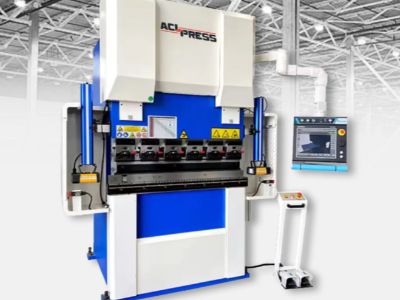
It is extremely important to maintain the tooling in your press brake. Good tooling maintains the consistency and quality of your parts. Through proper tooling maintenance, you can minimize defects which can lead to producing bad parts. Maintaining press brake tooling can significantly reduce your time and cost as well as ensuring your production runs smoothly. Maintenance extends the life span of your tooling due to less wear and tear. It is crucial for any precision based industry such as automotive and aerospace manufacturing. If you aim to produce perfect parts, then the tooling is crucial
Expert Services Available for Press Brake Tooling Maintenance
Maintaining your press brake tooling can be simplified by using an expert service. Specialized press brake tooling maintenance service is widely available with companies such as ACL. An expert is familiar with the workings of press brake tooling and can identify any underlying issues before they cause further problems. One way is to search for specialized services providers in your area. They may also offer maintenance packages that include scheduled inspections and repairs to ensure that your tooling is constantly performing at its peak level. Additionally, it is also advisable to ask fellow manufacturers for their recommended providers, they might have experience using a particular company. Always select a service provider that has experience working with your particular tooling design, if you utilize custom tooling you'll want to select a provider that is comfortable working with them. With professional servicing, your tooling will be correctly aligned and adjusted which will contribute to overall better quality parts. Be sure to inquire about their staff and their qualifications, such as training and certifications, to ensure you are selecting a quality service for your press brake tooling
Common Usage Issues That Can Negatively Impact Press Brake Tooling Quality
Several issues can negatively impact your press brake tooling quality; among these is an incorrect press brake tooling setup. An incorrectly set tooling will cause parts to bend the wrong way or to have the wrong shape. This can occur due to an inexperienced operator, being in a hurry, or not following instructions carefully. Tooling wear, brought on by constant use, is another common issue. As tooling is continuously used, it can wear down or lose its edge, making it unable to cut or bend metal with accuracy. Regular inspections can detect these problems early on. Using the wrong material can be harmful for your press brake tooling as a too thick or a non-appropriate material could place an excessive stress on your tooling and ultimately cause it to break or wear quickly. Finally, it is important to clean your tooling frequently of dust or metal filings as these could interfere with how the tooling functions. It is ACL's belief that you can prevent tooling issues by understanding the issues they face. Operators can be better prepared to combat press brake tooling issues with the use of regular operator training which will ultimately improve the overall quality of your parts
How to Know When Your Press Brake Tooling Requires Maintenance
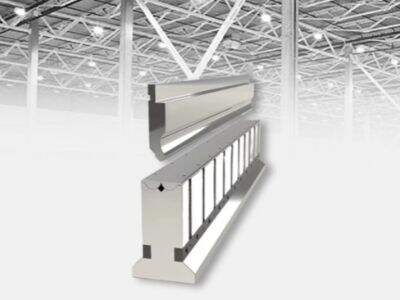
Press brake tooling is indispensable for parts manufacturing. Through precise tooling work, you can produce a perfect fitting part. However, your press brake tooling may become damaged and worn. To ensure the quality of the parts that you are manufacturing, it is important to determine when your press brake tooling requires maintenance. Signs your press brake tooling may need maintenance can be determined by wear, a rough or a dull surface with dents and scratches on the press brake tooling may be a sign of wear. Additionally, if your parts do not fit together in the same way as before, it is likely that your tooling is causing issues. Squeaking and grinding sounds in your press brake may also signal an issue. Inspections should be carried out on the press brake tooling after each shift so you can discover what may be going wrong early on. When parts require maintenance, a record should be kept as this can help determine future maintenance needs. Keeping good tooling records will ensure your parts are of high quality due to quality press brake tooling
Where to Source High-Quality Press Brake Tooling for Optimal Performance
A high-quality press brake tooling will help to produce superior parts and at ACL, we recognize the benefits it can provide. High quality tooling can be recognized through its durable materials, as a strong and tough material will provide your tooling with a greater working life span. Finding high quality press brake tooling should be made from a trusted source. Manufacturers with experience and a strong background in the industry are ideal, a business with good recommendations is a good indicator of quality. Asking for recommendations from other companies in your area could also be beneficial. The best press brake tooling can also be sourced through online retailers where a description of what the press brake tooling is used for, as well as a visual representation is available for all. You'll need to make sure the tooling you order is compatible with your press brake, that this is crucial, otherwise the press brake tooling simply won't fit. Quality should always be paramount, even if this does mean the press brake tooling is more costly, as reduced production and poor parts will ultimately cause you to lose more money. Finally, after sales support should always be considered; a company that is available to assist you with any questions or concerns is vital
What are Best Practices for Maintaining your Press Brake tooling
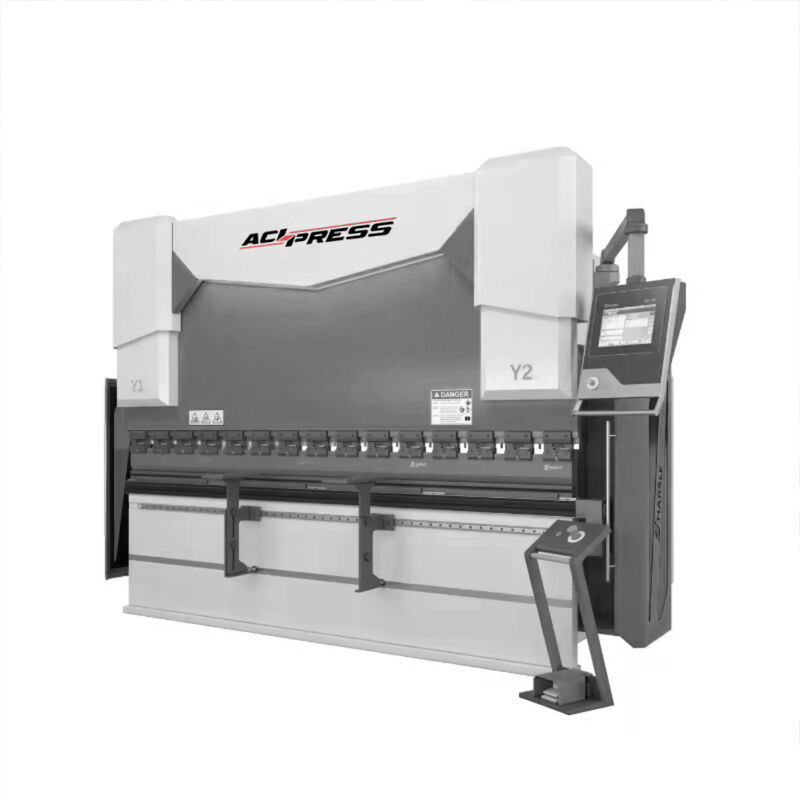
It's important that your press brake tooling is kept in excellent condition and at ACL we know that properly maintaining your tooling can help save money and time in the long run. One of the best practices is to keep the tooling clean. Over time, dust and debris can build up on the tooling which may affect how the tooling works. A soft cloth with a mild cleaning solution can be used to wipe down the tooling after each use, as strong chemicals should be avoided and may be harmful to the tooling. Lubricating the tooling is also crucial as this will help reduce friction and thus, the amount of wear on the tooling itself. Make sure to use the appropriate type of lubricant as stated by the tooling manufacturer and make sure that this is applied to the moving parts as well as anywhere that one metal surface might rub on another. Regular scheduled inspections are also highly beneficial. Check for signs of wear and damage (as mentioned above) and when issues are found be sure to deal with them immediately to avoid future problems. It's also important that your staff is trained on the proper use and care of the tooling as improper handling may cause damage to the tooling. When the tooling is not in use, it should be stored in a dry, safe place in order to prevent rusting and damage. Finally, record any maintenance that you carry out on your tooling. This will allow you to keep an eye on the tooling's condition and give you an indication of when the tooling may need to be replaced
Table of Contents
- Expert Services Available for Press Brake Tooling Maintenance
- Common Usage Issues That Can Negatively Impact Press Brake Tooling Quality
- How to Know When Your Press Brake Tooling Requires Maintenance
- Where to Source High-Quality Press Brake Tooling for Optimal Performance
- What are Best Practices for Maintaining your Press Brake tooling
