EN
EN
 AR
AR
 NL
NL
 FR
FR
 DE
DE
 IT
IT
 JA
JA
 KO
KO
 PT
PT
 RU
RU
 ES
ES
 TL
TL
 ID
ID
 VI
VI
 TR
TR

Electric vs. Hydraulic Press Brakes: Which One is Right for Your Shop?
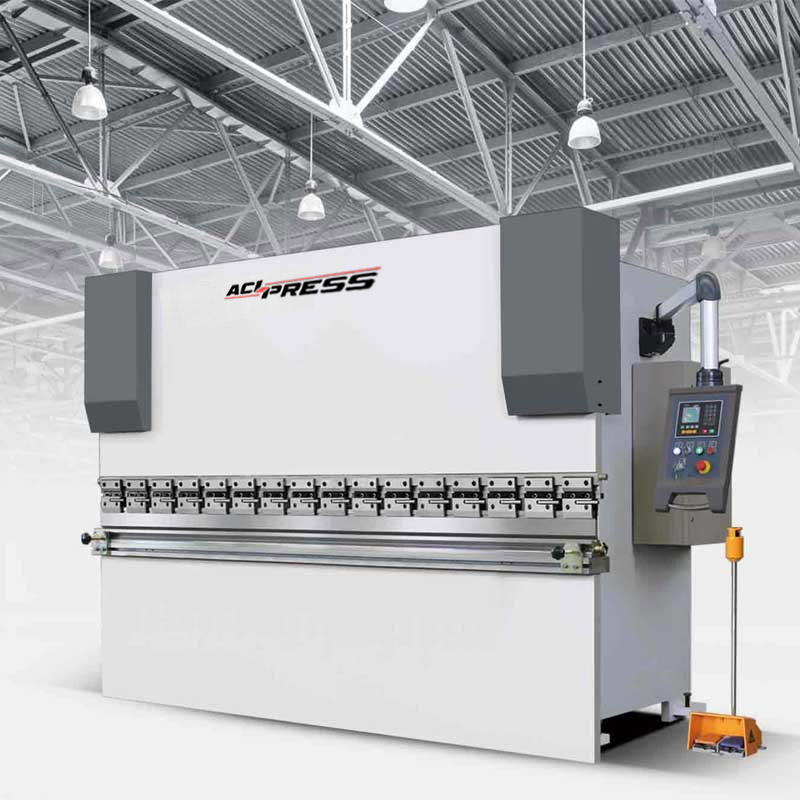
Choosing between an electric and a hydraulic press brake machine is one of the most critical decisions for a modern fabrication shop. While both machines achieve the same goal—bending metal—the underlying technology dictates your shop's long-term efficiency and capability.
The Hydraulic Workhorse: Power and Versatility
Hydraulic press brakes have long been the industry standard, primarily due to their raw power. They excel in heavy-duty applications requiring high tonnage (typically over 250 tons) and long bed lengths. If your shop frequently processes thick plates or massive structural components, the hydraulic system remains the more cost-effective and capable choice. However, they come with "hidden" costs: oil leaks, thermal instability as the oil heats up, and high energy consumption since the pump runs continuously.
The Electric Revolution: Precision and Speed
Electric press brakes are rapidly becoming the preferred choice for high-precision, small-to-medium part production. Driven by high-torque servo motors rather than oil, these machines offer:
Unmatched Accuracy: Positioning is precise to the micron, unaffected by oil temperature.
High Speed: Faster ram speeds and cycle times can increase productivity by up to 30%.
Sustainability: They only consume power during the bend, often cutting energy bills by 50% or more.
Recommended Products
Hot News
-
A Guide to Eliminating Laser Cut Burr and Slag
2024-05-16
-
Performances of CNC press brake machine
2024-05-24
-
How to tell and choose torsion axis press brake machine and electro-hydraulic CNC press brake machine
2024-06-20
-
Mastering Metal Bends: The Indispensable Press Brake Machine
2025-02-08
-
Shearing Machine Maintenance Tips to Extend Equipment Lifespan
2025-02-08