
 EN
EN
 AR
AR
 NL
NL
 FR
FR
 DE
DE
 IT
IT
 JA
JA
 KO
KO
 PT
PT
 RU
RU
 ES
ES
 TL
TL
 ID
ID
 VI
VI
 TR
TR
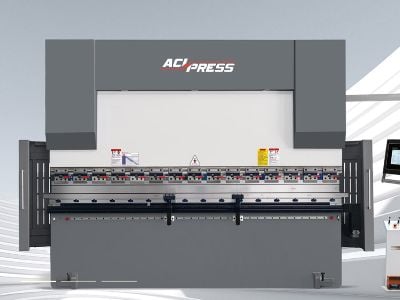
When you are looking to buy a CNC hydraulic press brake machine, one important thing to think about is the tonnage. Tonnage is the amount of force the machine can apply to bend metal. Knowing the right tonnage helps you choose a machine that works well for your needs. Too little tonnage can make it hard to bend thicker or stronger materials, while too much can lead to wasted power and money. At ACL, we want to help you understand how to calculate the right tonnage for your CNC hydraulic press brake machine
How to Accurately Calculate Tonnage for a CNC Hydraulic Press Brake Machine
To accurately calculate the tonnage for your CNC hydraulic press brake Shearing Machine, you need to consider a few key factors. First, think about the thickness of the metal you want to bend. For example, if you are bending a piece of steel that is 1/4 inch thick, you will need more tonnage than if you are bending aluminum that is 1/8 inch thick. The type of metal also plays a role; stronger metals require more force. Next, you need to look at the width of the metal. Wider pieces need more tonnage to bend properly. A common formula used is: Tonnage = (Width x Thickness x Material Factor). The Material Factor changes based on what kind of metal you’re using. For instance, steel often has a Material Factor of around 1.5, while aluminum may have a factor of about 1.0. After you have your calculations, it’s a good idea to add a little extra tonnage for safety. This way, if you have to bend a thicker piece in the future, your machine will be ready. Always remember, it’s better to have a machine with a bit more tonnage than not enough. Now, let’s talk about some common issues people face when calculating tonnage for CNC hydraulic press brake machines. One problem is underestimating the thickness of the material. Many buyers might think they can get away with a lower tonnage if they only plan to bend thin metal. However, if they don’t account for the strength of the metal, they may end up with a machine that cannot do the job. Another issue is not considering the bend length. If the piece of metal is longer, it often needs more tonnage to avoid bending issues. Buyers sometimes forget to factor in the type of bends they want to make. Some bends, like sharp corners or deep channels, need more force than simple curves. Lastly, people may overlook the machine's age and condition. Older machines might not perform as well or as consistently, which can lead to errors in tonnage calculations. At ACL, we know it’s important to think through these details to get the right machine for your needs, ensuring you can work efficiently and effectively
What Are the Best Practices for Calculating CNC Hydraulic Press Brake Tonnage
When looking for a CNC hydraulic press brake Riveting Machine, getting the tonnage calculation right is really important. Tonnage is a way to measure how much force the machine can use. This force is crucial because it helps shape and bend metal sheets into the right forms. At ACL, we want to help you understand the best practices for calculating tonnage. First, it’s essential to know the type of material you will work with. Different metals, like steel, aluminum, or copper, need different amounts of force to bend. For example, steel is stronger than aluminum, so you need more tonnage to bend steel. Next, consider the thickness of the material. Thicker materials require more force. A good rule of thumb is to use around 1 ton of force for every inch of thickness. So, if you have a steel sheet that is 1 inch thick, you might need a press brake with at least 40 tons of force to bend it properly. Another important factor is the length of the material. The longer the metal sheet, the more tonnage you will need. This is because the machine has to apply force over a greater distance. For instance, bending a 10-foot-long sheet of metal will need more force than bending a 3-foot-long sheet. At ACL, we recommend calculating the tonnage based on both thickness and length. You can use a simple formula: Tonnage = Length (in inches) x Thickness (in inches) x Material Factor (which depends on the type of metal). This formula will give you a good estimate of the tonnage you need. Lastly, always leave some extra tonnage to account for any unexpected challenges during the bending process
Common Mistakes to Avoid When Calculating Tonnage for CNC Hydraulic Press Brake Machines
When you’re calculating tonnage, it's also important to avoid common mistakes. One of the biggest mistakes is not considering the type of material you are using. Different metals have different strengths, and not knowing this can lead to using a machine that is not strong enough. Another mistake is ignoring the thickness of the material. If you guess the thickness or underestimate it, you may end up with a machine that can’t do the job. At ACL, we also see many people forget to factor in the length of the material. It’s easy to focus on thickness and forget that longer sheets require more force. Another common error is not allowing for extra tonnage. This can lead to problems during the bending process, like cracks or breaks in the material. It’s always smarter to have a bit more force than you think you need. Finally, some people don’t consult with experts or use online calculators that can help with tonnage calculations. It’s always a good idea to get a second opinion or use available tools to double-check your calculations. By avoiding these mistakes, you can ensure that you choose the right CNC hydraulic press brake machine for your needs
How Does Tonnage Affect the Quality of CNC Hydraulic Press Brake Products
Tonnage also plays a big role in the quality of the products made with CNC hydraulic press brake machines. When there is not enough tonnage, the metal may not bend correctly. This can lead to weak spots, uneven bends, or even breaks in the material. At ACL, we emphasize that using the right amount of force leads to better quality products. When the right tonnage is applied, the metal forms perfectly, creating strong and durable parts. On the other hand, if too much force is used, it can cause the metal to warp or crack. This not only affects the quality of the product but can also lead to wasted materials and higher costs. Proper tonnage ensures that the bending is smooth and even, which is important for creating parts that fit together well. For example, if you are making parts for a machine, they need to fit perfectly. If one part is too thick or bent incorrectly, it can cause the whole machine to malfunction. By using the right tonnage, you can help ensure that every part is made correctly. This leads to better performance and fewer issues down the line. In summary, getting the tonnage calculation right is critical for making high-quality products with CNC hydraulic press brake machines. At ACL, we want you to succeed, so remember to calculate carefully, avoid common mistakes, and always consider how tonnage affects the final product.
Table of Contents
- How to Accurately Calculate Tonnage for a CNC Hydraulic Press Brake Machine
- What Are the Best Practices for Calculating CNC Hydraulic Press Brake Tonnage
- Common Mistakes to Avoid When Calculating Tonnage for CNC Hydraulic Press Brake Machines
- How Does Tonnage Affect the Quality of CNC Hydraulic Press Brake Products
