
 EN
EN
 AR
AR
 NL
NL
 FR
FR
 DE
DE
 IT
IT
 JA
JA
 KO
KO
 PT
PT
 RU
RU
 ES
ES
 TL
TL
 ID
ID
 VI
VI
 TR
TR
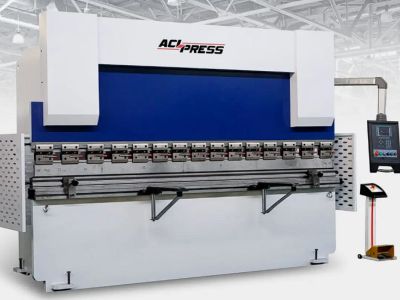
Predictive maintenance is an important part of keeping machines running well. For a bending machine used in factories, this means looking at data to see when parts might need fixing or replacing. When we talk about ACL, we focus on making sure our bending machines are always ready to work. Predictive maintenance helps us spot problems before they happen. This not only saves money but also keeps our workers safe. By using smart tools and technology, we can watch over our machines all the time. This is better than waiting for a machine to break down. If something is wrong, we can act quickly and fix it before it causes bigger issues.
What Are Predictive Maintenance Protocols for Industrial Bending Machines?
Predictive maintenance protocols are like a check-up for bending machines. They help us understand when something might go wrong. Instead of waiting for a machine to break, we look at data from sensors and other tools to see how the machine is doing. For example, a bending machine has parts that move a lot. If one of these parts starts to wear out, the sensors can tell us. This way, we can replace that part before it breaks completely. It’s like changing the oil in a car before press brake machine runs out. We use software to track the health of the machine, checking things like temperature and vibration. This helps us know when the machine needs maintenance. It’s not just about fixing things; it’s about keeping everything running smoothly. The protocols mean we have a plan in place. We schedule check-ups regularly, and we keep detailed records. That way, we can see patterns and make better decisions. By using these protocols, ACL ensures our bending machines work well and last longer, making our factory more efficient.
How Predictive Maintenance Enhances Bending Machine Performance
Predictive maintenance boosts the performance of bending machines in many ways. First, it helps us catch small problems before they become big issues. For example, if a machine is bending metal and one part is not functioning right, it can lead to mistakes in the bending process. This could mean wasting materials or even damaging the machine. By using predictive maintenance, ACL can fix these problems early. This means better quality products and less waste. Also, when machines run well, they can work faster. Predictive maintenance means less downtime. When a machine breaks down, Shearing Machine takes time to fix it. But with predictive maintenance, we know when to fix things before they stop working altogether. This keeps production lines running smoothly. Another way it helps is by saving money. Fixing a small issue is usually cheaper than a big repair. By preventing breakdowns, ACL can save money on repairs and keep costs down. This also helps us provide better prices for our customers. Finally, it keeps workers safe. Machines that run well are less likely to cause accidents. Workers can feel safe knowing that the machines they operate are in good shape. With predictive maintenance, ACL not only enhances performance but also ensures a safer and more productive working environment.
What Wholesale Buyers Need to Know About Predictive Maintenance for Bending Machines
When it comes to bending machines, wholesale buyers should understand the importance of predictive maintenance. Predictive maintenance is a way to keep machines running smoothly by checking their condition before they break down. This means that instead of waiting for a machine to stop working, you can find small problems early and fix them. For example, if a bending machine at a factory starts to make strange noises or has vibrations, a predictive maintenance program can help identify these issues. By using special tools and technology, workers can monitor the machine's performance and catch problems early. This helps avoid unexpected breakdowns that can slow down production.
For wholesale buyers, knowing about predictive maintenance can lead to better decisions. If you buy a bending machine that has a strong predictive maintenance plan, you can save money and time in the long run. Machines that are well-maintained work better and last longer. This means you won’t have to spend extra money on repairs or replacements. At ACL, we believe that having a good maintenance plan is key to a successful operation. It’s important to ask about the predictive maintenance strategies that come with the bending machines you are considering. You should also think about how these strategies can fit into your overall business plan. This means considering how often you will use the machine and what kind of work it will do. Understanding these details can help you make sure you are making a smart investment.
How to Implement Effective Predictive Maintenance Strategies for Industrial Equipment
Implementing effective predictive maintenance strategies for bending machines is a smart move for any business. First, it’s important to have the right tools and technology in place. This could include sensors that monitor how well the machine is working. These sensors can check things like temperature, pressure, and vibrations. When machines are running, these sensors send data to operators. This data helps them understand if the machine is working well or if it needs attention. At ACL, we provide guidance on selecting the best tools for your specific needs.
Next, it’s important to train your staff. Your workers should know how to use the technology and tools correctly. They should be able to interpret the data collected from the sensors. This training ensures that everyone is on the same page and understands how to keep the bending machine running smoothly. Regular training sessions can help keep your team updated on the latest maintenance practices.
Another key step in implementing predictive maintenance is to set a schedule for regular checks. Even with advanced technology, it’s still important to have human oversight. Schedule regular maintenance checks to go alongside your predictive maintenance strategy. This could mean checking the machine every month or every few months, depending on how much it is used. Having a schedule helps identify any potential problems before they become serious. Keeping good records of maintenance work is also important. This way, you can see patterns over time and make better decisions about when to perform maintenance. By using these strategies, businesses can ensure their bending machines stay in top shape and help keep production on track.
Common Misconceptions About Predictive Maintenance in the Bending Industry
There are many misconceptions about predictive maintenance in the bending industry. One common misunderstanding is that predictive maintenance is too expensive. Some people think that investing in new technology and tools for monitoring machines will cost too much. However, when you consider the savings from preventing breakdowns and repairs, the investment often pays off. At ACL, we emphasize that a good predictive maintenance plan can save a lot of money over time by keeping machines running longer and avoiding costly downtime.
Another misconception is that predictive maintenance is only for big companies. Many small and medium-sized businesses believe they do not need Riveting Machine. However, predictive maintenance can be beneficial for companies of all sizes. Even if you have only a few bending machines, monitoring their performance can help you operate more efficiently. Smaller businesses can also take advantage of predictive maintenance tools that are becoming more affordable and easier to use.
Lastly, some people believe that predictive maintenance means you don’t have to do regular maintenance anymore. This is not true. Predictive maintenance is just one part of a complete maintenance plan. It helps you identify problems early, but regular checks and maintenance are still needed. This means cleaning machines, checking for wear and tear, and doing routine repairs. By understanding these common misconceptions, businesses in the bending industry can better appreciate the value of predictive maintenance. It is a helpful strategy that can lead to smoother operations and increased productivity.
Table of Contents
- What Are Predictive Maintenance Protocols for Industrial Bending Machines?
- How Predictive Maintenance Enhances Bending Machine Performance
- What Wholesale Buyers Need to Know About Predictive Maintenance for Bending Machines
- How to Implement Effective Predictive Maintenance Strategies for Industrial Equipment
- Common Misconceptions About Predictive Maintenance in the Bending Industry
